

Laser engraved acrylic LED signs sit in a useful sweet spot for makers: they look premium, they photograph well for product pages, and they can be adapted for restaurants, salons, home offices, gaming rooms, pop-up booths, weddings, and branded desk displays. For a small shop, the appeal is not only the glow. The same workflow can become a menu sign, a logo plaque, a personalized night light, a market-stall display, or a giftable name sign.
Recent laser engraving trend coverage continues to point toward personalized gifts, promotional items, acrylic decor, and small-business branding as strong 2026 opportunities. Acrylic LED signs fit that demand because buyers can understand the value quickly: a custom name, logo, illustration, or message becomes a finished object that feels ready to display.
Why acrylic LED signs are a strong laser project
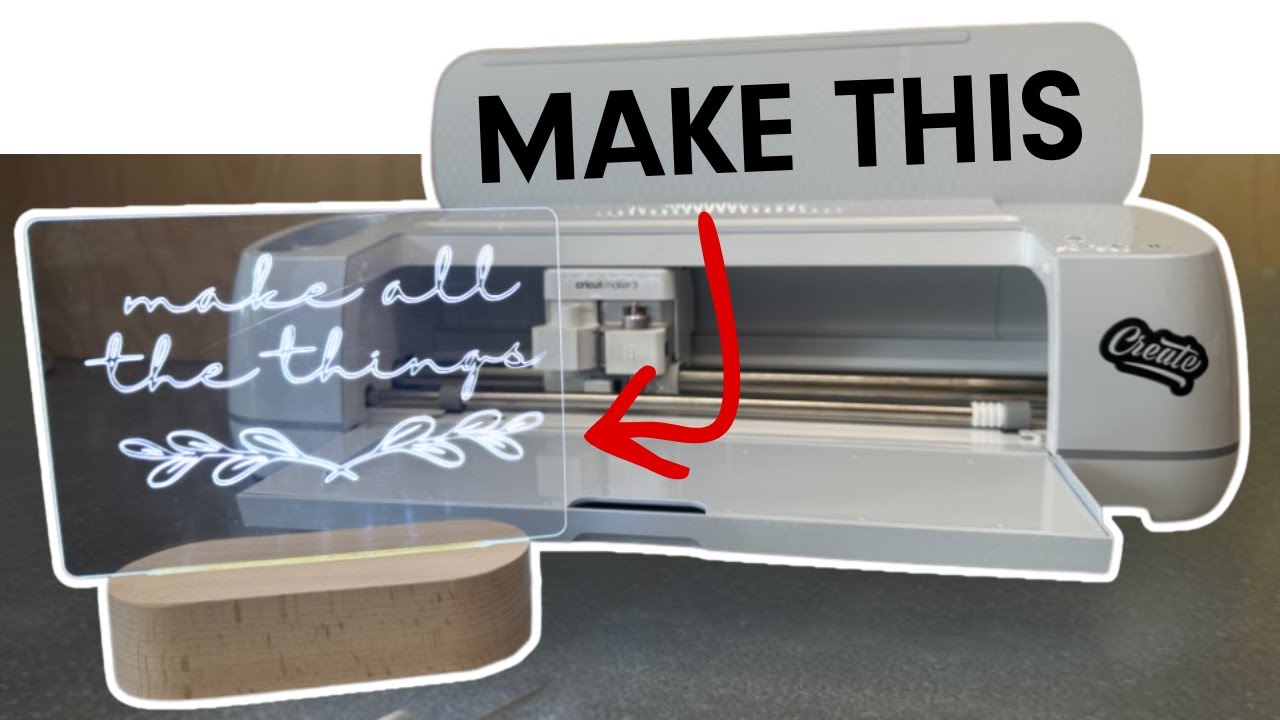
Acrylic edge-lit signs are practical for both beginners and growing workshops because the product can be simple or premium depending on the design. A basic clear acrylic insert in an LED base can be sold as a custom gift. A layered sign with engraved graphics, wood accents, or a branded base can serve business customers who need countertop signage.
Project ideas with clear buyer intent
- Small business logo signs: salon desks, bar counters, reception areas, craft fair tables, and photo booths.
- Personalized name lights: nursery decor, bedroom signs, gaming setup plaques, dorm room gifts, and birthday gifts.
- Event and seasonal signs: graduation displays, holiday market signs, Halloween silhouettes, Christmas night lights, and Valentine's desk gifts.
- Menu and QR code displays: cafe specials, QR payment signs, Wi-Fi signs, appointment reminders, and mini wayfinding plaques.
- Creator merch: streamer logos, podcast desk signs, band logos, and fan art style silhouettes where licensing is handled correctly.
Best materials for laser engraved acrylic LED signs
Cast acrylic is usually the most reliable choice for frosted engraving because it creates a cleaner white mark than many extruded sheets. Clear acrylic is ideal for edge-lit bases, while black, white, mirrored, and fluorescent acrylic can work well for layered signs. If you are using a diode laser, dark acrylic is much easier to cut than clear acrylic. Clear acrylic often needs masking, paint, coating, or a different laser type to mark cleanly.
Material checklist
- Clear cast acrylic: best for classic edge-lit LED inserts.
- Black opaque acrylic: easier for many diode laser users, especially for simple cuts.
- Mirror acrylic: useful for premium name plates and wedding table signs.
- Plywood or hardwood: good for bases, frames, and layered back panels.
- USB LED bases or LED strip channels: fast for production, especially when you want repeatable sizing.
Which laser machine should you use?
CO2 laser cutters are the best all-around choice for acrylic signs because they cut clear acrylic cleanly and can engrave smooth frosted graphics. A CO2 machine is the right fit if you want to sell acrylic signs regularly, cut custom shapes, or build layered displays.
Diode lasers can be useful for engraving coated acrylic, painted clear acrylic, or dark opaque acrylic, but they are less consistent on clear acrylic. If you own a diode laser, start with black acrylic, painted backs, or pre-cut clear blanks before promising complex cuts to customers.
UV lasers are valuable for delicate, high-contrast marking on plastics, glass, and small premium objects. For acrylic signage, UV is interesting for detailed marking or mixed-material gift sets, though CO2 remains the more common cutting choice.
Fiber lasers are not the first choice for acrylic. Use them for metal name plates, aluminum base tags, stainless hardware, or bundled products that pair a metal accent with an acrylic LED sign.
Design workflow for a sellable acrylic sign
- Choose one use case first. A cafe QR sign, nursery name light, or logo desk sign will lead to cleaner copy and better product photos than a generic custom sign.
- Size around the base. Common LED bases have narrow slots, so confirm acrylic thickness before cutting inventory.
- Keep fine lines readable. Thin script fonts can disappear when lit. Use bolder strokes, clean outlines, and enough spacing between letters.
- Test engraving direction. Many edge-lit signs look better when engraved on the back side, then viewed from the front.
- Create a settings card. Record acrylic brand, thickness, speed, power, passes, focus, air assist, and masking method for repeat orders.
Helpful tutorial and inspiration resources
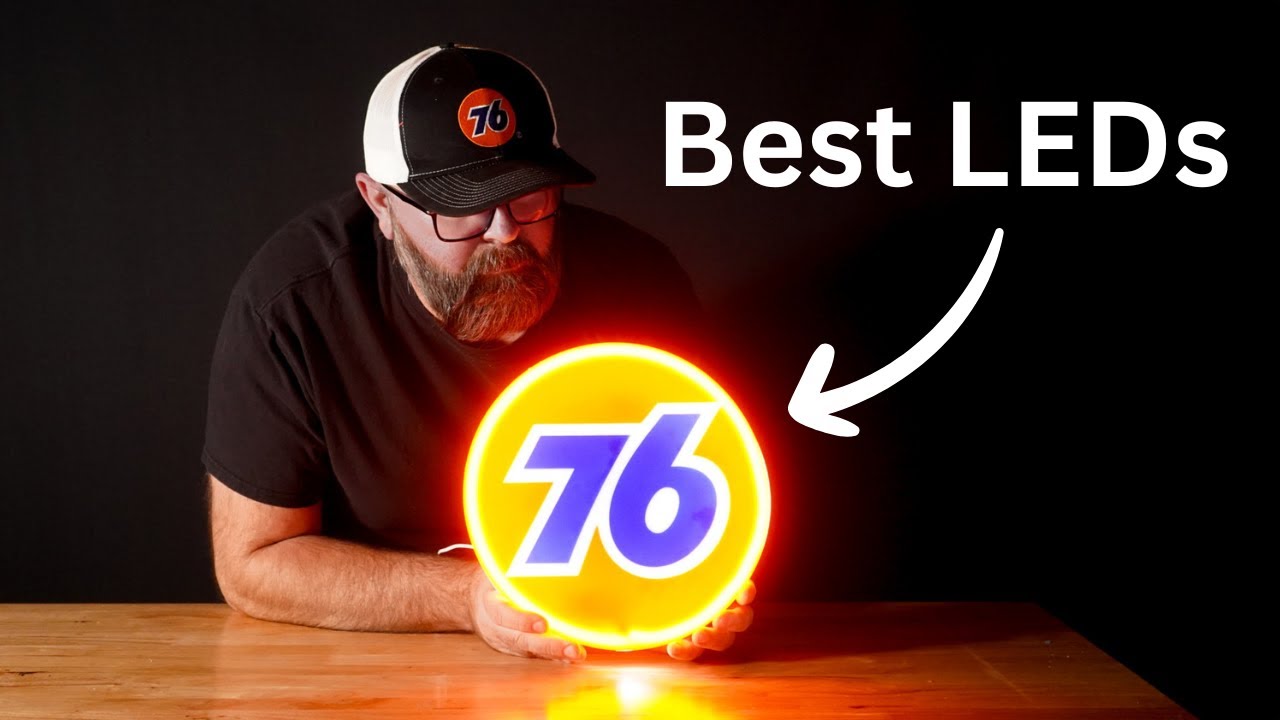
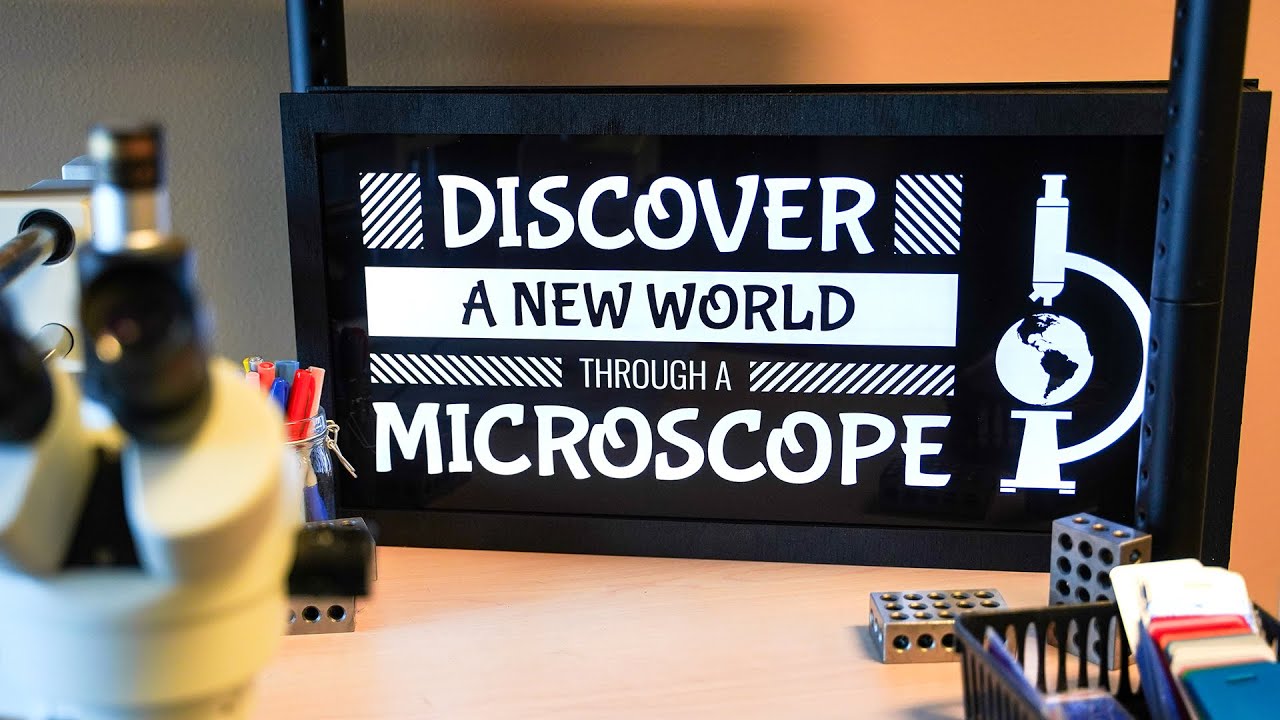
The resources below are useful starting points for planning your own production workflow. Use them for process ideas, not as copy to duplicate.
Safety and quality reminders
- Use proper ventilation when cutting or engraving acrylic. Acrylic fumes are irritating and should not be treated casually.
- Never cut PVC or unknown plastic. If the material is not clearly identified as laser-safe acrylic, do not use it.
- Keep flame watch during cutting, especially with paper masking, wood bases, and multiple-pass jobs.
- Check electrical components before selling LED signs. Use reliable bases, avoid exposed wiring, and provide basic care instructions.
- Clean edges and fingerprints before product photography. The glow will reveal dust, scratches, and handling marks.
External reference resources
- Welch Plastics trend overview: useful context on corporate gifts, promotional items, and branded laser work.
- AEON Laser profitable products article: highlights acrylic LED signs as a product category with decor and branding potential.
- Blazex diode acrylic guide: helpful for setting expectations around diode lasers and acrylic limits.
- ComMarker UV laser overview: useful background on UV marking for delicate materials and premium customization.
FAQ
Can a diode laser make acrylic LED signs?
Yes, but the easiest path is dark acrylic, painted clear acrylic, or pre-cut blanks. For clear acrylic cutting and repeatable production, a CO2 laser is usually a better fit.
What acrylic thickness works best for LED bases?
Many ready-made LED bases are designed around common sheet thicknesses such as 3 mm or 1/8 inch, but always measure the slot before cutting. A beautiful sign will not sell well if it wobbles in the base.
Should I engrave the front or the back?
Back-side engraving often gives a cleaner front view and protects the engraved texture from handling. Remember to mirror the artwork when engraving from the back.
Are acrylic LED signs a good small business product?
They can be, especially when sold to a clear niche such as cafes, salons, creators, events, or personalized home decor buyers. The strongest listings usually show real use cases, not only a blank custom template.
Final idea
Start with one repeatable product: for example, a 6 inch cafe QR sign, a nursery name light, or a desk logo sign for local businesses. Once the settings, base size, packaging, and photo style are consistent, expand into seasonal shapes and premium layered versions.


