

Why laser engraved leather patch hats are a strong small-shop project
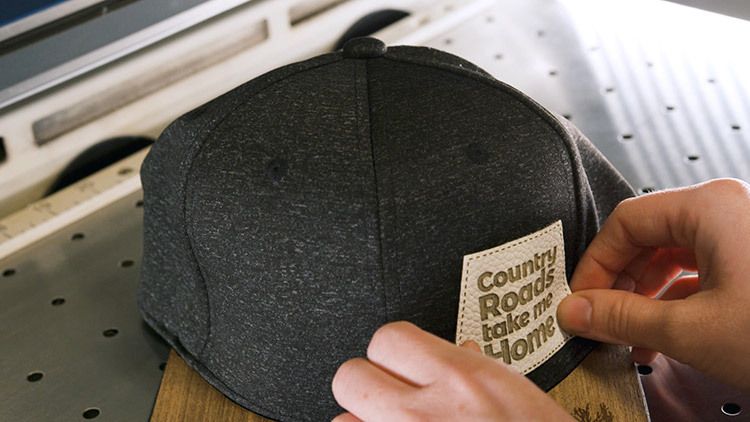
Laser engraved leather patch hats sit in a useful space between personalized gifts, local business merchandise, team apparel, and event swag. The search intent is commercial: buyers are often looking for custom hats, while makers are looking for a repeatable project that can be batched without a large footprint.
This project is also a good fit for small laser engraver owners because the parts are compact, the artwork can be standardized, and the finished product has a premium look. Use this guide to plan materials, choose the right laser type, and build a workflow that can support one-off gifts or short production runs.
Primary keyword and project angle
Primary keyword: laser engraved leather patch hats.
Good supporting phrases include custom leather patch hats, laser engraved hat patches, leatherette hat patches, CO2 laser leather patches, and diode laser leather engraving. These phrases match shoppers who want finished hats and makers comparing laser workflows.
Project ideas that can convert
- Local business logo hats: Create small batches for cafes, landscaping crews, contractors, breweries, gyms, and real estate teams.
- Event and fundraiser caps: Offer limited-run patches for school events, outdoor clubs, tournaments, and charity walks.
- Personalized gift hats: Use initials, family names, coordinates, simple icons, or date marks for birthday and holiday orders.
- Outdoor and western designs: Try badges, ranch marks, mountain lines, fish silhouettes, farm icons, or vintage typography.
- Studio sample sets: Make one hat style with several patch shapes and colors so customers can choose quickly.
Best materials for laser engraved hat patches
Real leather
Vegetable-tanned leather is popular because it engraves with a warm, high-contrast mark and can be finished after engraving. It may darken, smell, or vary by hide, so test every new batch before offering paid orders.
Laser-safe leatherette
Laserable leatherette can be more consistent for production and often comes in two-tone colors that reveal contrast after engraving. Buy materials marketed as laser-safe and request material data when possible.
Materials to avoid
Do not laser unknown vinyl, PVC, or questionable synthetic leather. Trotec and other laser material guides warn that some synthetic materials can release hazardous gases and corrosive residue when lasered. When in doubt, do not cut it.

Machine type matching
Diode laser engraver
A diode laser is a practical entry point for engraving many leatherette patches and some leathers. It is best for small batches, personal projects, and shops that already sell wood or slate gifts. Use strong ventilation, start with conservative power, and test for clean contrast without over-burning the surface.
CO2 laser cutter
A CO2 laser is usually the strongest match when you need both engraving and cutting on leather patches. It can create clean patch outlines, stitch holes, and repeatable batches. This is the best production path for shops planning to sell custom hats regularly.
Fiber laser
A fiber laser is not the main choice for leather, but it can support companion products such as metal brand tags, metal hat clips, stainless display samples, or engraved tools for a shop bundle.
UV laser
A UV laser can be useful for delicate marking on some materials, but for leather patch hats it is usually a secondary option. Consider it for specialty plastic packaging, coated sample cards, or high-detail branding tests rather than patch cutting.
Workflow for a clean hat patch order
- Prepare artwork: Convert logos to clean vector lines, simplify tiny details, and avoid thin strokes that fill in after engraving.
- Make a test grid: Test power, speed, line interval, and focus on the exact patch material before running customer work.
- Cut or load blanks: Use pre-cut blanks for speed, or cut custom shapes when the order needs a premium look.
- Engrave in batches: Use a jig or corner stop so every patch lands in the same place.
- Clean and inspect: Remove residue, check edge quality, and reject patches with uneven contrast.
- Attach to hats: Sew, heat press, or use manufacturer-approved adhesive patches depending on the blank and hat style.

Design tips for higher perceived value
- Offer three patch shapes first: rectangle, oval, and shield. Too many choices can slow ordering.
- Create mockups with light leather, dark leather, and two-tone leatherette so customers can compare contrast.
- Use bold line art, monograms, coordinates, badge layouts, and clean serif or western-style type.
- Keep small lettering large enough to read from a few feet away.
- Photograph every sample on real hats, not only on the laser bed.
Operation and safety reminders
- Confirm that every synthetic patch material is laser-safe and PVC-free before engraving or cutting.
- Use active ventilation and filtration. Leather smoke and residue can linger.
- Do not leave the laser unattended while processing leather or leatherette.
- Keep a fire extinguisher nearby and clean residue from the work area between batches.
- Record working settings by material color, thickness, and supplier so repeat orders are consistent.
FAQ
Can a diode laser engrave leather patch hats?
Yes, many diode lasers can engrave leatherette and some leather patches, especially for small batches. A CO2 laser is usually better if you also want to cut custom patch shapes at production speed.
What is the best laser for custom leather patch hats?
For most shops, a CO2 laser is the best all-around choice because it can engrave and cut leather patch material. A diode laser can be a lower-cost starting point for engraving pre-cut blanks.
Can I laser cut faux leather?
Only if the supplier confirms it is laser-safe and PVC-free. Some faux leather contains materials that are unsafe to laser, so unknown blanks should be rejected.
Are leather patch hats good for a laser engraving business?
They can be. The product is easy to explain, works for business logos and gifts, and supports repeat local orders. Profit depends on blank cost, setup time, attachment method, and how well you standardize options.
Bottom line
Laser engraved leather patch hats are a strong project for a small laser shop because they combine compact production, visible personalization, and clear buyer demand. Start with safe materials, a small menu of patch shapes, and a documented diode or CO2 workflow before expanding into larger batches.


